Creative Teacher SVG Design: A Practical Review
As a designer who has spent years translating digital concepts into thread, I approach every new machine embroidery design with a mix of curiosity and skepticism. We have all been there: downloading a file that looks crisp on the screen but turns into a tangled mess of bird’s nests on the fabric. When I first opened the Creative Teacher SVG Design, my immediate goal was to determine if it held up under the scrutiny of real-world production. This is not just about aesthetics; it is about whether this asset can survive the rigors of a commercial embroidery project.
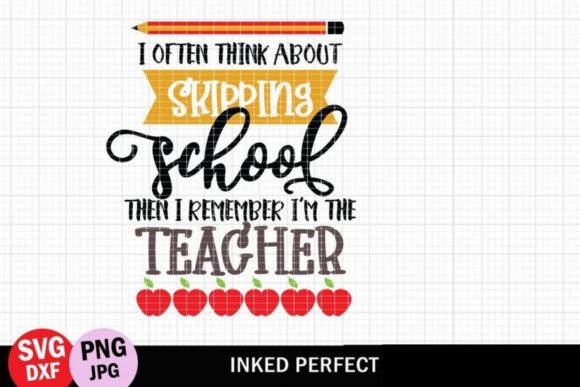
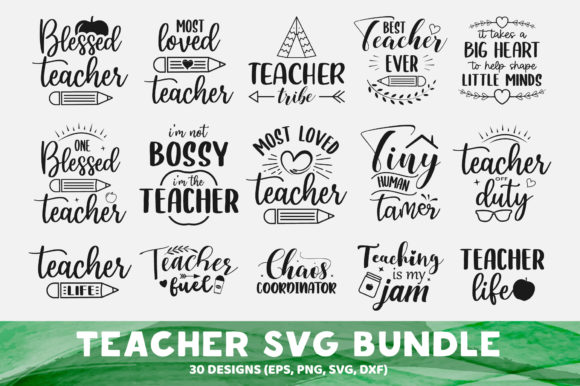
The bundle arrives with a suite of formats including PNG, SVG, DXF, and EPS. For those of us working strictly in the embroidery software realm, having the vector-based files like SVG and DXF is crucial for resizing without losing edge definition. However, the true test lies in how these lines translate when the needle hits the fabric. The design carries a playful yet professional mood, perfectly suited for the education sector. It avoids the overly childish tropes often seen in teacher-themed graphics, opting instead for a clean layout that suggests reliability and warmth.
Real-World Application: The Tote Bag Test
To evaluate the Creative Teacher SVG Design properly, I decided to run a practical scenario. I had a client request a set of personalized tote bags for a school’s end-of-year appreciation event. The brief required something durable, visually striking, and quick to produce. I chose a heavy-weight canvas tote, a fabric that demands respect from your digitizing or pre-made design choices. Canvas is unforgiving; if the stitch density is too high, the fabric puckers. If it is too low, the background fabric shows through, ruining the visual impact.
I imported the design into my software to inspect the pathing. The shapes were solid, with clear boundaries that suggested a combination of fill stitch for larger areas and potentially satin stitch for borders or finer details, depending on how one chooses to digitize or utilize the provided assets. I paired the design with a medium-weight cut-away stabilizer. This is non-negotiable for tote bags that will carry books and laptops. During the stitching process, the design behaved predictably. There were no excessive jumps or confusing color changes that would slow down production. The result was a crisp, professional-looking tote bag design that looked expensive despite the low cost of the source file.
Versatility Across Product Lines
Beyond totes, I evaluated how this graphic would perform on other common items in a craft business inventory. For sweatshirt embroidery, the design’s scale is adaptable. On a adult-sized hoodie, it works well as a left-chest logo or a larger back print. However, when considering baby embroidery or onesies, caution is required. The level of detail needs to be checked against the hoop size limitations of smaller machines. If the design includes fine lines, they may get lost in the plush texture of baby fleece or terry cloth. In such cases, simplifying the stitch count or increasing the line weight in your software before stitching is a wise move.
For Etsy sellers and small shop owners, versatility is key to profitability. This design fits naturally into the holiday embroidery niche, particularly for back-to-school seasons or teacher appreciation weeks. It also serves well for custom apparel like aprons for art teachers or lab coats for science instructors. The thematic flexibility allows it to cross over from strict educational contexts into general personalized gift categories. A well-executed embroidered patch using this design could be sold as a standalone accessory, adding another revenue stream for digital product sellers who also handle physical goods.
Technical Considerations and Fabric Challenges
While the Creative Teacher SVG Design is robust, it is not immune to the physics of embroidery. When working with stretchy fabrics like performance tees or thin materials like silk blends, the design requires careful handling. I recommend using a tear-away stabilizer for woven shirts but switching to a cut-away for knits to prevent distortion over time. Dark fabrics present another challenge. If the design relies on light thread colors, you must ensure adequate coverage. A dense fill might be necessary to prevent the dark fabric from peeking through, which can make the final product look amateurish.
Curved surfaces, such as caps or hats, require extra attention. The design’s layout should be centered carefully to avoid wrapping around the side seams where the hoop cannot reach. If you are creating an applique design version of this graphic, ensure the placement stitches are precise. Misaligned applique fabric can ruin the clean lines that make this design appealing. Always test on scrap fabric first. This simple step saves costly blanks and preserves your reputation for quality.
Commercial Value and Brand Consistency
From a business perspective, the value proposition of this bundle is strong. At a price point significantly lower than typical single-design purchases, it offers a low-risk entry for testing market demand. For digital embroidery file resellers, ensuring you have the correct commercial license is paramount. Always read the terms provided by the creator. Assuming you have the rights to sell finished items, this design can enhance brand consistency. It projects a image of thoughtfulness and professionalism, which builds customer trust.
When creating printable mockup images for your online store, the clean lines of the SVG format allow for crisp previews. This helps buyers visualize the finished product before purchasing. High-quality visuals lead to higher conversion rates. Whether you are selling design assets or physical handmade products, the clarity of the source file impacts your marketing materials directly.
Final Verdict for Designers
The Creative Teacher SVG Design is a practical, versatile addition to any designer’s library. It performs well on stable fabrics like canvas and cotton, making it ideal for totes, aprons, and standard apparel. It requires more care on stretchy or textured materials but rewards that effort with a polished look. For small shop product lines, it offers the flexibility needed to create diverse items from embroidered patches to full-sized blankets.
Before committing to a large production run, check the specific stitch density recommendations if available, or conduct your own tests. Verify the license terms for commercial use to ensure compliance. With proper stabilization and thread selection, this design delivers a professional result that enhances the perceived value of your crafts and graphics. It is a reliable tool for creating memorable, high-quality embroidered items that customers will appreciate and keep.