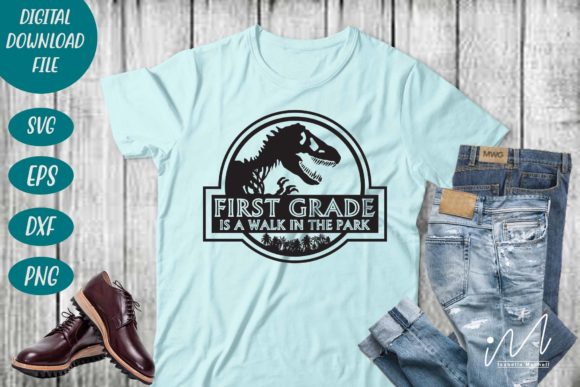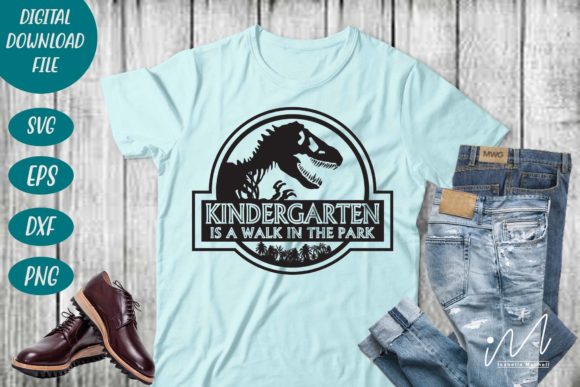
Review: Kindergarten is a Walk in the Park SVG
As an embroidery designer who has spent countless hours digitizing and stitching out files for clients, I have learned that not all Graphics are created equal. When a new file lands on my desk, I do not just look at the preview image. I look for structural integrity, stitch flow potential, and commercial viability. Recently, I evaluated the Kindergarten is a Walk in the Park Svg to determine if it holds up under the needle for real-world Crafts projects. This is not just a digital asset; it is a potential revenue stream for Etsy sellers and boutique owners, provided it is executed correctly.
First Impressions and Visual Personality
The phrase “Kindergarten is a Walk in the Park” carries a specific emotional weight. It is nostalgic, slightly humorous, and deeply relatable for parents navigating the early school years. Visually, this design assets package relies on clean lines and readable typography. My first impression was positive because the layout appears balanced. In embroidery, balance is critical. If the text is too heavy on one side or the graphical elements are too dense, the fabric will pucker, and the final finished product will look amateurish.
The mood this design creates is lighthearted and whimsical. It naturally belongs on items that celebrate childhood milestones. However, as a reviewer, I must look past the cute factor. The simplicity of the design is its greatest strength and its biggest risk. Simple designs leave no room for error. Every curve in the lettering and every line in the accompanying graphics must be smooth. Jagged edges in a simple machine embroidery design are immediately visible to the customer.
Real-World Application: The Custom Tote Bag Test
To truly understand how this file performs, I imagined a common scenario for a craft business owner: creating a custom tote bag design for a local preschool’s back-to-school event. I selected a sturdy cotton canvas, which is ideal for handling the pull of the stitches without distorting. Using the SVG DXF EPS formats provided, I prepared the file for cutting and stitching.
The ability to change the color and size with the appropriate software is a significant advantage here. For a tote bag, I scaled the design to fit a standard 5x7 hoop comfortably. The quote needed to be large enough to read from a distance but small enough to maintain proportion on the bag. When visualizing the embroidery project, I considered using a satin stitch for the smaller graphical accents and a fill stitch for larger solid areas if the design permits. However, since this is primarily a cut file format converted for embroidery use, careful digitizing or auto-digitizing settings are required to ensure the thread coverage is adequate.
Stitching Clarity and Fabric Considerations
One of the most critical aspects of using a vector-based graphic like this for embroidery is understanding how it translates to thread. Unlike a pre-digitized embroidery file with defined stitch paths, an SVG requires the user to define how the machine interprets the shapes. If you are converting this for a sweatshirt embroidery project, you must account for the nap of the fleece. A running stitch might get lost in thick fabric, while a dense satin stitch could cause tunneling if the stabilizer is not robust.
I recommend testing this design on scrap fabric first. Check the stitch density carefully. If the letters are thin, a single line of satin stitch may not cover the fabric background effectively, especially on dark fabrics. In such cases, consider adding a slight underlay or increasing the width of the stroke in your design software before sending it to the machine. For baby embroidery items, such as onesies or bibs, the texture of the fabric is softer and more delicate. Here, a lighter touch is needed. Ensure that the stabilizer you use is tear-away or cut-away depending on the garment's stretch, to prevent the design from pulling out of shape after washing.
Commercial Viability for Small Shop Owners
For small shop product creators, this design offers versatility. It fits well into the holiday embroidery niche for back-to-school seasons, but it also works year-round for personalized gift markets. The key to success is presentation. When listing this as a handmade product on platforms like Etsy, the quality of the stitch-out defines your brand consistency. A clean, crisp execution builds customer trust.
Consider offering this on various items: custom apparel like t-shirts, embroidered patch creations for iron-on application, or even kitchen towels for teachers. The phrase resonates with educators as much as parents. By diversifying the products, you increase the perceived value of the digital embroidery file usage. However, always confirm licensing before selling finished items. While the product description mentions receiving SVG, DXF, and EPS formats, it does not explicitly state commercial rights for the embroidery output. Always clarify this with the creator to protect your commercial embroidery business.
Technical Challenges and Designer Notes
There are specific scenarios where this design should be used with caution. Avoid using it on highly textured fabrics where fine details might get obscured. Also, be mindful of hoop size limitations. If you are working with a small 4x4 hoop, you may need to split the design or reduce the size significantly, which could compromise readability. Tiny lettering is a common pitfall in embroidery; if the text becomes too small, the threads will merge, and the message will be lost.
Before committing to a full production run, test the design in black and white mockups. This helps you see the contrast and structure without the distraction of color. Compare how it looks on light versus dark fabric backgrounds. On dark fabrics, you may need to use a heavier weight thread or a different stitch type to ensure the design pops. Additionally, check whether the design works for both personal and commercial projects by reviewing the license terms thoroughly.
Final Verdict
The Kindergarten is a Walk in the Park Svg is a charming addition to any designer’s library. Its strength lies in its simplicity and emotional appeal. For those willing to put in the technical work of proper digitizing or conversion, it can yield high-quality results. It is not a plug-and-play solution for every machine without adjustment, but for the experienced crafter, it offers a solid foundation for creating memorable printable mockup previews and tangible goods. Treat it with the respect a good design deserves: test it, refine it, and present it well. Your customers will notice the difference.