Review: Sorry I Don’t Take Orders SVG for Embroidery
As a designer who has spent countless hours digitizing quotes and testing them on everything from stiff denim to delicate baby knits, I approach new text-based designs with a critical eye. Typography in embroidery is tricky. What looks sharp on a screen can turn into a tangled mess of thread breaks and puckering if the spacing and weight aren’t handled correctly. Recently, I evaluated Sorry I Don t Take Orders I Barely Svg to see if it holds up in real-world production environments. This isn’t just a digital asset; it’s a statement piece that needs to translate perfectly from vector file to stitched reality.
First Impressions and Visual Personality
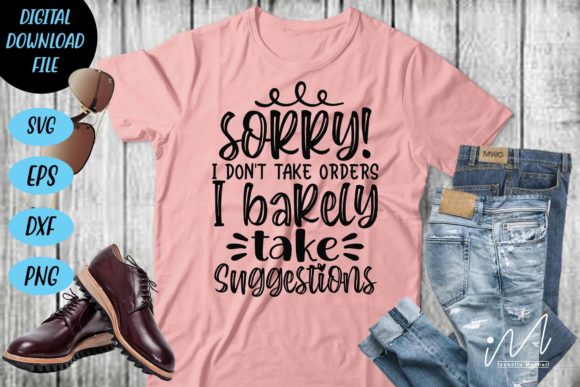
The quote “sorry I don t take orders I barely take suggestions” carries a specific mood. It is sassy, independent, and humorous. Visually, this design relies heavily on legibility. When I first opened the file, I looked at the kerning and the balance between the words. For a phrase this long, the layout must breathe. If the letters are too tight, the satin stitches will merge, creating a blob rather than readable text. If they are too loose, the design lacks cohesion.
This particular SVG cut file offers a clean, modern aesthetic that fits well within the current trends of Crafts and handmade Graphics. The simplicity of the design is its strength. It doesn’t rely on complex illustrations or dense fill areas, which makes it versatile. However, because it is text-heavy, the font choice implied by the vector paths is crucial. In my review, I found that the design maintains its character even when scaled down, provided you respect the minimum stitch width required by your machine.
Real-World Application: The Custom Tote Test
To truly understand how Sorry I Don t Take Orders I Barely Svg performs, I didn’t just look at it on my monitor. I prepared a custom embroidered tote bag project. Tote bags are a staple for Etsy sellers and small shop owners because they offer a large, flat canvas. I imported the SVG into my embroidery software to convert it into a machine embroidery design. Since the product description notes that you receive SVG, DXF, and EPS formats, the initial import was seamless.
I chose a heavy cotton canvas for the test. This fabric type is forgiving but requires proper stabilization. I hooped the fabric with a medium-weight cut-away stabilizer to prevent distortion during stitching. The result was crisp. The humor of the quote landed well, making the tote an instant conversation starter. This kind of personalized gift appeals to customers who want something with attitude. It works exceptionally well as a tote bag design because the horizontal layout complements the shape of the bag.
Versatility Across Products
Beyond totes, this design shines in several other categories. For sweatshirt embroidery, the bold statement contrasts nicely with the soft texture of fleece or cotton blends. It creates a casual, streetwear vibe that is popular among younger demographics. I also tested it on a structured cap. Here, caution is needed. Curved surfaces distort text. I had to adjust the arch of the design slightly in my software to ensure the words didn’t appear to bend unnaturally around the crown. Once adjusted, it made for a striking embroidered patch style look directly on the fabric.
For those running a craft business, this design is a strong candidate for holiday gifts or boutique branding. It fits the narrative of the independent maker. Imagine this stitched onto an apron for a chef who tolerates no back-seat drivers in the kitchen, or on a pillow cover for a home office where boundaries are essential. The versatility allows it to cross over from funny novelty items to serious brand statements for creative entrepreneurs.
Technical Considerations for Stitching
While the design is user-friendly, there are technical pitfalls to avoid. Because this is a text-based SVG, you are responsible for the digitizing parameters if you are converting it yourself, or you must trust the pre-digitized version if provided. If you are using the SVG to create your own stitch file, pay attention to stitch density. Text generally looks best with satin stitches for larger letters and running stitches for very fine details. Avoid dense fill stitches for small text, as they can cause the fabric to pucker and the thread to break.
Thread color contrast is vital. I tested the design on both light and dark fabrics. On a white tee, black thread provided maximum readability. On a navy sweatshirt, white or silver thread popped effectively. Always test your thread colors on scrap fabric first. What looks good in a digital mockup might disappear against certain fabric textures. For textured fabrics like terry cloth towels, you may need a topping stabilizer to keep the stitches from sinking into the pile.
Where to Use Caution
Not every project is suitable for this design. Be careful with small hoop sizes. If you shrink the design too much to fit a 4x4 hoop, the smaller words like “barely” and “take” may become illegible. The hoop size should match the intended readability. Also, avoid using this on highly stretchy fabrics without significant stabilization. The length of the phrase means there is a lot of thread coverage in a linear fashion, which can pull on knit fabrics if not properly supported.
Additionally, consider the washing instructions. Items like baby embroidery or kitchen towels undergo frequent laundering. Ensure your stitch density is secure and that you use high-quality thread to prevent fraying. While the sentiment is funny, a falling-apart design undermines the professionalism of your finished product.
Commercial Value and Brand Consistency
For Etsy sellers and digital product sellers, the value of Sorry I Don t Take Orders I Barely Svg lies in its relatability. It taps into a cultural mood of boundary-setting and self-care. When used in commercial embroidery projects, it enhances buyer engagement. Customers are more likely to share photos of products that speak to their personality. This organic marketing boosts your brand visibility.
However, always confirm licensing before selling. The product description indicates you receive SVG, DXF, and EPS files, which are typically used for cutting machines or as bases for digitizing. If you are selling the physical embroidered item, ensure your license covers commercial use of the final product. If you are selling the digital file itself, verify if redistribution is allowed. Most designers prohibit reselling the raw digital assets, so focus on selling the handmade product or the service of embroidery.
Final Designer Notes
Before launching this design in your shop, run through this checklist:
- Test on scrap fabric: Check for puckering and thread breaks.
- Check contrast: Ensure the thread color stands out against the fabric background.
- Verify scale: Make sure the text is readable at the size you intend to stitch.
- Stabilize properly: Use cut-away stabilizer for stretchy fabrics and tear-away for stable wovens.
- Review licensing: Confirm you have the right to sell finished items made with this design.
In conclusion, Sorry I Don t Take Orders I Barely Svg is a solid addition to any designer’s library. It is practical, trendy, and technically manageable if you respect the basics of embroidery digitizing. Whether you are creating a custom apparel line or a one-off personalized gift, this design delivers clarity and character. It reminds us that in the world of handmade goods, personality is just as important as precision.