Review: Stitching the "Learn Something New" Quote
As a designer who has spent countless hours staring at digitized previews and troubleshooting thread breaks, I approach every new machine embroidery design with a mix of curiosity and skepticism. We have all been there: you download a file that looks crisp on the screen, only to find it turns into a puckered mess on actual fabric. Today, I am taking a close look at Motivational Quote Learn Something New, a piece from the Crafts and Graphics category that promises versatility across various mediums. But does it hold up under the needle?
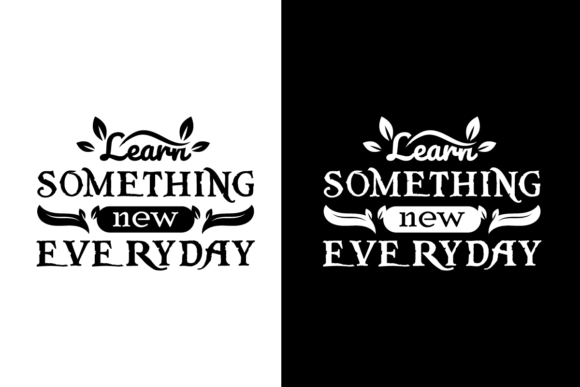
The first impression of this design is its clean, modern typography. It avoids the overly ornate scripts that often cause stitching nightmares, opting instead for a legible, balanced layout. The phrase "Learn something new everyday" carries a gentle, encouraging mood. It feels less like a loud statement and more like a quiet reminder. For an embroidery project, this visual personality is crucial. It suggests calmness and growth, making it an ideal candidate for items meant to inspire daily use, such as planners, notebooks, or cozy home decor.
Real-World Application: The Tote Bag Test
To truly evaluate Motivational Quote Learn Something New, I imagined a specific real-life scenario: preparing a custom embroidered tote bag for a local boutique client. The client wanted a product that appealed to students and lifelong learners. This design fit the brief perfectly. When visualizing the stitch-out on a heavy canvas tote, the linear nature of the text works well. It doesn’t require excessive fill stitches that might stiffen the fabric unnecessarily.
However, placement is key. On a tote, centering the quote just below the handle attachment points creates a balanced look. If I were using this for a sweatshirt, I would likely place it on the left chest for a subtle, professional look, or across the back for a bolder statement. The design’s simplicity allows it to scale reasonably well, but one must be cautious. While the description mentions use for cell phone cases and stickers, those applications rely on print or vinyl. For embroidery, we must think about thread and fabric interaction.
Performance Across Different Fabrics
The versatility listed in the product description—ranging from mugs to pillows—requires a nuanced approach when we are talking about thread work. Let’s break down how this embroidery file performs on common materials:
- Cotton and Linen: These are the best friends of this design. The crisp lines of the letters will stand out clearly against the natural texture of linen aprons or cotton tea towels. The contrast between the thread and the fabric weave enhances readability.
- Fleece and Sweatshirts: Here, caution is needed. If the design uses a satin stitch for the lettering, it may sink into high-pile fleece. A backing stabilizer is non-negotiable here. For knit fabrics like sweatshirts, ensure your hoop tension is adjusted to prevent stretching, which can distort the letters.
- Dark Fabrics: Thread color contrast becomes critical. If you are stitching this on a navy tote or a black cap, you must choose light, vibrant thread colors. A dark thread on dark fabric will render the message invisible, defeating the purpose of the motivational quote.
For items like pillows and laptop sleeves, the durability of the stitch matters. Since these items undergo friction and handling, a design with moderate stitch density is preferable. If Motivational Quote Learn Something New relies heavily on dense fill stitches, it might create a hard patch that feels uncomfortable against the skin or looks bulky on a slim laptop sleeve. Always check the stitch count and density preview before loading the file.
Design Details and Stitching Clarity
One of the biggest challenges with quote-based designs is the small details. Letters like "e," "a," and "o" can easily close up if the stitch width is too narrow or if the fabric shifts. In my review, I look for open, clear letterforms. This design appears to maintain good spacing, which is essential for maintaining professionalism in a finished product. A blurry or merged letter screams "amateur" and can hurt buyer trust for Etsy sellers and small shop owners.
When considering this for baby embroidery, such as a onesie or bib, the softness of the thread and the backing is paramount. While the quote is sweet, ensure the stitch type isn’t too scratchy. A running stitch or a light satin stitch is often better than a heavy fill for delicate baby items. Also, consider the size. A large hoop might overwhelm a small baby garment, so scaling down requires checking that the tiny details remain intact.
Practical Notes for the Craft Business Owner
If you are an embroidery designer or a craft business owner looking to add this to your inventory, here are some practical steps to ensure success:
- Test on Scrap Fabric First: Never run a new design directly on your final product. Use a similar weight and texture scrap to check for puckering or thread breaks.
- Check Stabilizer Compatibility: For stretchy fabrics like t-shirts, use a cut-away stabilizer. For woven fabrics like tote bags, a tear-away might suffice, but hooping properly is essential to keep the text straight.
- Verify Licensing: The product description mentions commercial use for items like mugs and wall art. However, for digital embroidery files, always confirm the license terms. Can you sell the stitched item? Can you resell the file? Clarify this before listing products on Etsy or at craft fairs.
- Mockup Testing: Create printable mockups or digital previews in both black and white. This helps you see if the design holds its shape without the distraction of color. It also helps in marketing your handmade product online.
Final Verdict on Visual Appeal and Value
The Motivational Quote Learn Something New design offers a solid foundation for various creative projects. Its strength lies in its universal message and clean aesthetic. For an Etsy seller, this type of design appeals to a broad audience, from teachers to students to self-improvement enthusiasts. It adds value to simple items like plain notebooks or tote bags, transforming them into personalized gifts with meaning.
However, its success depends entirely on execution. The design itself is a tool; the craftsmanship is what sells the product. Pay attention to thread colors, fabric texture, and hoop size. Avoid using it on curved surfaces like caps unless you have experience with 3D puff or specialized cap frames, as flat text can distort on rounded shapes.
In conclusion, this graphic asset is a reliable choice for your next embroidery project. It balances style with practicality, provided you respect the technical limitations of your machine and materials. Whether you are creating holiday embroidery gifts or stocking your small shop with everyday essentials, this quote serves as a timeless reminder to keep learning—and keep stitching.