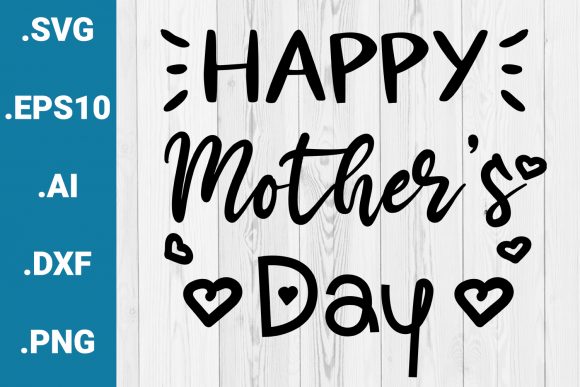
Reviewing Happy Mother s Day Quote for Real Stitching
As a designer who has spent countless hours digitizing and testing embroidery files, I approach every new asset with a mix of curiosity and caution. We all know that what looks crisp on a computer screen does not always translate perfectly to fabric. When I first opened the Happy Mother s Day Quote file, my immediate goal was to determine if it was merely a decorative graphic or a viable candidate for serious commercial embroidery work. This review breaks down how this design performs in real-world scenarios, focusing on practical application for crafters, Etsy sellers, and boutique owners.
First Impressions and Visual Personality
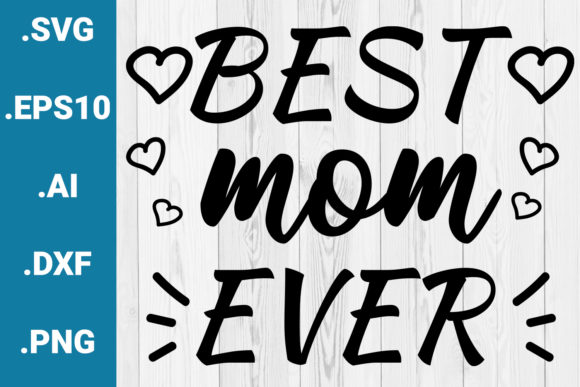
The initial visual impact of the Happy Mother s Day Quote is warm and inviting. It carries a sentimental mood that fits squarely into the holiday embroidery niche without feeling overly cluttered. For those of us in the Crafts and Graphics space, we look for designs that balance legibility with artistic flair. This quote achieves that balance by using a layout that feels organic rather than rigid. The visual personality suggests softness and care, which aligns perfectly with the intended recipient: mothers.
From a design perspective, the spacing between elements appears thoughtful. In embroidery, negative space is just as important as the stitches themselves. If the letters are too close, the thread buildup can cause puckering; if they are too far apart, the design loses cohesion. This particular quote seems to respect those boundaries, making it a strong contender for various textile applications.
Real-World Application: The Custom Tote Bag Test
To truly evaluate a machine embroidery design, you have to imagine it on a physical product. I envisioned using this quote for a custom tote bag project, a popular item for small shop products and craft fair merchandise. Canvas is a forgiving fabric, but it requires precise stitch density to prevent the design from sinking into the weave.
If I were stitching this onto a heavy-duty cotton tote, I would likely opt for a fill stitch approach for larger elements to ensure coverage, while using satin stitch for borders or finer details to maintain sharpness. The Happy Mother s Day Quote lends itself well to this because its structure allows for clear definition. A customer receiving a personalized gift like this expects durability. The design’s clarity ensures that even after multiple washes, the message remains readable and aesthetically pleasing.
Versatility Across Product Lines
Beyond tote bags, this design shows promise for sweatshirt embroidery. Hoodies and crewnecks are staples for spring gifts. However, fleece and terry cloth present challenges due to their texture. Here, the simplicity of the quote works in your favor. Complex, tiny lettering often gets lost in plush fabrics, but a well-spaced quote maintains its integrity. It also works beautifully for baby embroidery on onesies or bibs, provided you scale it down appropriately and use softer thread colors to match the delicate nature of infant apparel.
For home decor, consider pillow covers or kitchen towels. These items often serve as subtle accents rather than bold statements. The quote’s layout allows it to sit comfortably in the corner of a tea towel or centered on a cushion, enhancing the handmade product appeal without overwhelming the base material.
Technical Considerations for Embroiderers
Before loading any digital embroidery file into your machine, technical due diligence is required. One critical aspect to note about this product is its format. The ZIP archive includes .eps10, .ai, .dxf, and .svg files. It is important to clarify that these are vector graphics formats, primarily suitable for plotter cutting or digital printing, rather than native machine embroidery formats like .pes, .dst, or .jef.
This distinction is vital for embroidery designers. If you intend to use this for stitching, you will need to digitize the vector shapes yourself or convert them using specialized software. This actually offers a benefit: control. By starting with high-quality vector assets, you can customize the stitch type, whether you prefer a dense satin stitch for a glossy look or a running stitch for a vintage, hand-drawn aesthetic. You can adjust the stitch density to suit specific fabrics, ensuring that thin fabric does not pucker and stretchy fabric retains its shape.
Navigating Fabric and Hoop Constraints
When planning your embroidery project, consider the hoop size. While the quote is scalable, placing it on curved surfaces like caps requires careful positioning. The center of the cap is a high-stress area; ensure the design is not too wide, or it may distort during wear. For dark fabric, you must think about thread colors. A light pastel thread on navy blue creates a beautiful contrast, but you may need an underlay stitch to prevent the background color from showing through.
Textured fabrics also demand attention. If you are working with a waffle-knit or heavily textured linen, test the design on scrap fabric first. Check if the fine details of the quote get lost in the texture. Sometimes, simplifying the design or increasing the stitch count slightly can help the motif stand out against complex backgrounds.
Commercial Value and Brand Consistency
For Etsy sellers and creative entrepreneurs, the perceived value of a finished product is tied to its professionalism. A blurry or poorly stitched design can damage brand consistency and reduce customer trust. The Happy Mother s Day Quote, when properly digitized and stitched, elevates the perceived quality of the item. It signals that thought went into the creation process.
Using high-quality design assets allows for better printable mockups and digital product previews. When customers see a crisp, clean representation of the embroidery online, they are more likely to engage with the listing. This design supports that goal by offering clean lines that translate well into marketing materials.
Practical Designer Notes
To get the best results from this design, follow these practical steps:
- Test on Scrap Fabric: Always run a test stitch-out on the same material you plan to use for the final product. This helps you identify any tension issues or registration errors.
- Check Thread Color Contrast: Ensure your thread colors pop against the fabric. Use a color wheel to find complementary shades that enhance readability.
- Use Proper Stabilizer: Choose a stabilizer that matches your fabric weight. Cut-away stabilizers are often best for stretchy garments, while tear-away works for stable woven fabrics.
- Verify Licensing: Before selling finished items or digital products, confirm the licensing terms associated with the vector files. Ensure you have the right to use them for commercial embroidery projects.
- Inspect Small Details: Zoom in on the vector files to check for any stray points or overlapping paths that could cause issues during digitization.
In conclusion, the Happy Mother s Day Quote is a versatile asset for those willing to invest the time in proper digitization. It offers a solid foundation for creating heartfelt personalized gifts and profitable small business merchandise. By understanding its technical requirements and applying sound embroidery practices, you can turn this graphic into a stunning stitched reality.