Reviewing Hello November SVG for Embroidery Projects
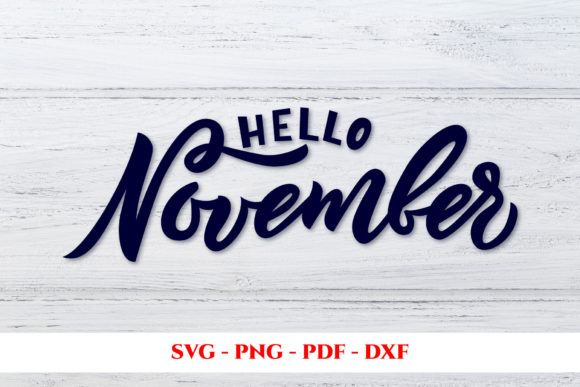
As a designer who spends half my life staring at stitch previews and the other half troubleshooting thread breaks, I have learned to be skeptical of digital assets marketed broadly across Crafts and Graphics. When I first pulled up the Hello November Svg.Script, Cut File, my initial reaction was one of cautious curiosity. The description promises an autumn quote in hand-lettering design, suitable for doormats, wall art, and porch signs. But for those of us working with needle and thread, the real question is not whether it looks good on a screen, but whether it translates into a durable, professional machine embroidery design that holds up under the tension of the hoop.
The Aesthetic First Impression
The visual personality of this file is undeniably cozy. The hand-lettering style captures that specific transitional mood of late autumn—crisp air, falling leaves, and the anticipation of winter. For an embroidery project, this script-heavy layout offers a organic flow that rigid fonts often lack. However, script fonts are notoriously tricky in embroidery. They require smooth transitions between letters to avoid unsightly jumps or dense clusters where characters overlap. In my review of Hello November Svg.Script, Cut File, I looked closely at the connectivity of the letters. If the original vector paths are clean, the resulting satin stitches should lay flat without puckering. If the curves are too tight, however, you risk thread buildup that ruins the crispness of the message.
Real-World Application: The Custom Tote Scenario
To truly evaluate this asset, I imagined a common scenario for many Etsy sellers and small shop product creators: a seasonal promotional item. Let’s say you are preparing a batch of canvas tote bags for a fall craft fair. You want a design that screams "autumn" without being overly cliché with pumpkins or ghosts. This text-based design fits perfectly here.
When stitching onto canvas, the fabric texture provides a sturdy base, but it also demands precision. I would recommend using a medium-weight cut-away stabilizer to prevent the fabric from shifting during the high-speed stitching of the script. The result should be a sophisticated tote bag design that appeals to customers looking for subtle seasonal decor rather than loud holiday graphics. The hand-lettered aesthetic adds a human touch, making the handmade product feel more personal and less mass-produced.
Versatility Across Products
Beyond totes, this design has potential in several other categories. For sweatshirt embroidery, the script can serve as a chest logo or a larger back print. On a fleece or cotton-blend hoodie, the soft curves of the lettering complement the casual nature of the garment. It also works well for personalized gift items like kitchen towels. Imagine this stitched in a warm burnt orange or deep burgundy thread on a white waffle-weave towel. It becomes an instant holiday embroidery staple that customers can keep out from October through December.
For those venturing into commercial embroidery, such as branded aprons for coffee shops or boutiques, the legibility of the font is key. If the script is too thin, it may get lost in the fabric weave. If it is too thick, it becomes stiff. This is where testing becomes non-negotiable.
Technical Considerations and Pitfalls
While the design is charming, there are areas where caution is required. Script designs often struggle on curved surfaces like caps or hats. The distortion caused by the curve can make the letters appear uneven. If you plan to use Hello November Svg.Script, Cut File for headwear, ensure you have experience digitizing for curved hoops or use a pre-digitized version optimized for caps.
Another critical factor is stitch density. Hand-lettering can sometimes result in overlapping strokes that create dense areas. High density on stretchy fabrics, such as baby clothes or thin t-shirts, can cause tunneling or perforation. For baby embroidery, I would advise scaling the design down slightly and ensuring the underlay stitches are sufficient to stabilize the lightweight fabric without adding bulk. Always check whether the design works for both personal and commercial projects by reviewing the specific license terms provided with the download.
Fabric and Thread Choices
The success of this design heavily relies on contrast. On dark fabrics, light-colored threads will pop, but you must ensure the stitch coverage is complete to prevent the background from showing through. Conversely, on light fabrics, darker threads provide definition. I recommend testing the design in black and white mockups first to judge the balance of positive and negative space. Thread colors should mimic the autumn palette—mustards, rusts, olives, and creams—to enhance the seasonal theme.
Practical Designer Notes
Before committing to a full production run, follow these steps to ensure quality:
- Test on scrap fabric: Never stitch directly on your final product. Use the same material and stabilizer combination you plan to use for the finished product.
- Check stitch count and density: Since the product description does not specify exact stitch counts, open the file in your embroidery software to analyze the data. Look for excessive jump stitches or overly dense fill areas.
- Verify hoop size compatibility: Ensure the design fits within your standard hoop sizes. If it is too large for a 4x4 hoop, you may need to resize it, which can affect stitch quality.
- Inspect small details: Zoom in on the connections between letters. Are there tiny gaps that might cause thread breaks? Are there sharp corners that need smoothing?
- Confirm licensing: As a craft business owner, verify if the license allows for selling physical items made with this design. Some digital embroidery file providers restrict commercial use.
Final Verdict on Visual Appeal and Value
The Hello November Svg.Script, Cut File offers a strong foundation for autumn-themed creations. Its strength lies in its versatility and emotional resonance. For creative entrepreneurs and hobbyists, it provides a quick way to add seasonal relevance to their inventory. However, its value is only realized through proper execution. A poorly stitched script looks amateurish, while a well-executed one elevates the perceived value of the item.
When used correctly, this design enhances brand consistency for shops focusing on homey, rustic, or handmade aesthetics. It builds customer trust because it shows attention to detail and seasonal awareness. Whether you are creating an embroidered patch for a jacket or a large wall hanging, the key is respecting the limitations of the medium. Do not force complex script onto unsuitable fabrics. Instead, let the design breathe on stable, textured materials where the satin stitch or fill stitch can shine.
In conclusion, this asset is a useful addition to your library of design assets, provided you approach it with a designer’s eye. It is not just a graphic; it is a blueprint for texture and form. By understanding how the hand-lettering interacts with thread and fabric, you can transform a simple digital file into a tangible, high-quality product that customers will cherish. Always prioritize testing and technical preparation to ensure your embroidery project meets the high standards of today’s discerning buyers.