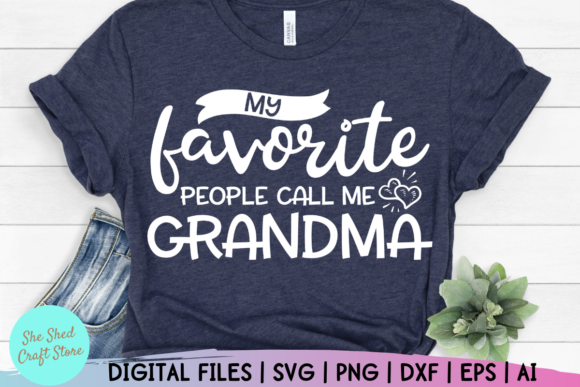
Reviewing the "My Favorite People Call Me Grandma" Design
As a designer who has spent countless hours digitizing and stitching out quotes for clients, I approach every new machine embroidery design with a critical eye. It is not just about whether the text is legible; it is about how the sentiment translates into thread on fabric. Recently, I evaluated the My Favorite People Call Me Grandma Quote for a potential batch of custom holiday gifts. This piece falls squarely into the popular niche of family-centric Crafts, specifically targeting the grandparent market which remains one of the most lucrative sectors for Etsy sellers and boutique owners.
First Impressions and Visual Personality
The first thing that strikes you about this design is its warmth. The phrase itself is endearing, but in embroidery, typography is everything. When I loaded the files into my editing software, I looked immediately at the flow of the letters. For a quote like this, you want a balance between readability and decorative flair. If the font is too ornate, it becomes a nightmare to stitch on textured fabrics. If it is too plain, it lacks the emotional punch required for a personalized gift.
This particular design seems to strike a middle ground. It feels approachable and soft, which aligns perfectly with the "grandma" aesthetic. However, as a professional, I do not take the preview image at face value. I need to know how those curves will behave under the needle. The layout suggests it would work beautifully on flat surfaces, but I had reservations about how it might distort on curved items like caps or mugs. The visual personality is sweet, but sweetness must be backed by technical stability to result in a high-quality finished product.
Real-World Application: The Tote Bag Test
To truly understand the value of this embroidery file, I imagined a specific real-life scenario. A client wanted a set of matching tote bags for a family reunion. The goal was to create a handmade product that felt premium, not cheap. I selected a heavy-weight canvas tote, as the sturdy texture provides an excellent foundation for lettering.
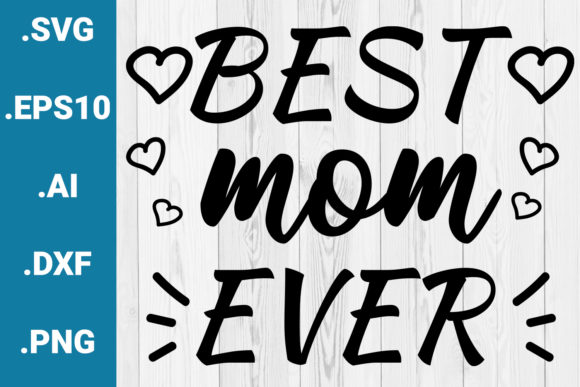
Using the SVG format from the provided zip folder, I prepared the design for stitching. The inclusion of multiple formats—SVG, PNG, EPS, DXF, and AI—is crucial for us designers. While the SVG is great for cutting machines, having the vector files allows me to resize the design without losing quality before converting it into stitch data. For this project, I scaled the quote to fit a 5x7 hoop. The result was charming. The text sat cleanly on the canvas, and the sentiment sparked immediate smiles during the mockup phase. This is exactly the kind of reaction small shop product creators are looking for to drive engagement.
Stitching Considerations and Fabric Choices
While the design performed well on canvas, I had to think critically about other applications. Let us discuss sweatshirt embroidery. Fleece and cotton blends are tricky because the pile can swallow small details. If this design relies on thin running stitch outlines or delicate serifs, it might get lost in the fuzz of a cozy sweater. In such cases, I would recommend using a tear-away stabilizer and possibly increasing the stitch density slightly to ensure the letters pop against the fabric texture.
Another common request is baby embroidery on onesies or burp cloths. Here, safety and comfort are paramount. You cannot have dense, scratchy stitches on a garment meant for sensitive skin. I would advise checking the stitch count and density carefully. If the design uses heavy fill stitch areas, it might be too stiff for a baby item. However, if it utilizes lighter techniques or applique design elements, it could be perfect. Always test on scrap fabric first to feel the hand of the stitched area.
Navigating Challenging Surfaces
Not every surface is forgiving. Curved items like caps present a unique challenge. The My Favorite People Call Me Grandma Quote likely has a horizontal orientation. Stitching long lines of text on a curved cap brim or front panel can lead to distortion if the hooping is not precise. Additionally, dark fabrics require careful planning of thread colors. A light thread on a dark navy hoodie looks stunning, but only if the underlying fabric does not peek through. Using a color-matched underlay or a stabilizer that contrasts with the top thread can help you see any gaps during the stitching process.
For those interested in creating an embroidered patch, this design is a strong candidate. Patches allow you to control the background fabric completely, ensuring that the text remains crisp regardless of where the customer applies it. This versatility adds value for commercial embroidery projects where consistency across different garment types is essential.
Commercial Viability and Brand Consistency
From a business perspective, this design fits well into the Graphics category for digital sellers, but its true value lies in physical goods. For craft business owners, offering this as part of a holiday collection or a Mother’s Day special can boost sales. The emotional connection customers have with grandparents makes this a high-conversion item.
However, professionalism is key. A sloppy stitch-out damages brand trust. Before listing this as a custom apparel option, ensure you have dialed in your tension and needle size. A universal needle might cause skips on certain synthetic threads, so a sharp or embroidery-specific needle is recommended. Also, consider the hoop size limitations of your machine. If the design is large, you may need to split it or use a larger hoop, which affects production time and pricing.
Practical Designer Notes
Before you commit to a full production run, keep these practical tips in mind:
- Test on Scrap Fabric: Never stitch directly on the final garment without a test run. Check for puckering and thread breaks.
- Check Thread Contrast: Ensure your thread color stands out against the fabric. Use a black and white mockup to verify readability.
- Review Stabilizer Choice: Use cut-away stabilizer for stretchy fabrics like t-shirts and tear-away for stable wovens like aprons or towels.
- Verify Licensing: Although the product description mentions various file formats, always confirm the license terms. Can you sell finished items? Can you resell the digital file? Clarity here protects your design assets and business.
- Inspect Small Details: Zoom in on the vector file. Are there any stray nodes or overlapping paths that could cause stitching errors?
In conclusion, the My Favorite People Call Me Grandma Quote is a promising addition to any designer’s library. It carries emotional weight and visual appeal, but its success depends entirely on execution. By understanding the nuances of stitch density, fabric behavior, and proper stabilization, you can transform a simple digital file into a cherished heirloom. Whether you are creating a tote bag design for a local market or a holiday embroidery piece for a client, treat this design with the technical respect it deserves, and it will reward you with professional results.