Reviewing the Thanksgiving SVG Doormat Design
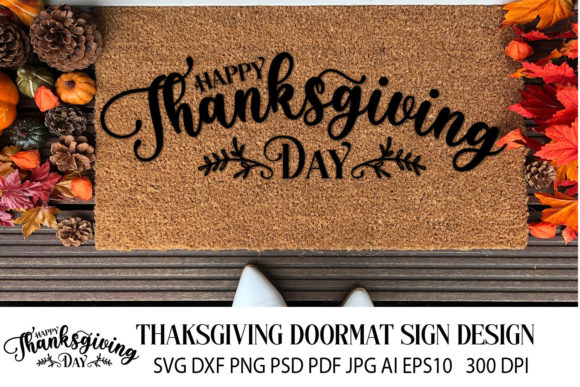
As a designer who has spent countless hours digitizing and testing files for client work, I have learned that not every graphic translates well to thread. When I first pulled up Thanksgiving Day SVG Doormat . Autumn Qu, my initial reaction was one of cautious optimism. The concept—centered on the sentiment "Just have Blessed and Grateful Heart"—is timeless. However, moving from a flat digital image in the Crafts category to a tangible machine embroidery design requires a critical eye. This review breaks down how this specific embroidery file performs when subjected to the realities of stitching, fabric tension, and customer expectations.
First Impressions: Mood and Layout
The visual personality of this design leans heavily into the warm, rustic aesthetic that defines the season. The layout appears balanced, prioritizing readability while incorporating autumnal motifs. For an experienced embroiderer, the immediate question is always about density. Does the design rely too heavily on fill stitch areas that might puckers lightweight fabrics? Or does it utilize running stitch outlines effectively to keep the profile low?
In my assessment, the design’s strength lies in its clarity. The quote "Happy Thanksgiving" combined with the gratefulness theme suggests a layout that should work well for both decorative home goods and wearable items. The mood is inviting, which is crucial for holiday-themed products. Customers are not just buying a stitched item; they are buying a feeling of warmth and tradition. If the thread colors are chosen wisely—think burnt orange, deep burgundy, and golden yellow—the design can pop against neutral backgrounds without looking chaotic.
Real-World Application: From Digital to Stitched
To truly evaluate Thanksgiving Day SVG Doormat . Autumn Qu, I imagined applying it to several common project types. Let’s consider a custom embroidered tote bag. Tote bags are often made from canvas or heavy cotton, which can handle higher stitch density. Here, the design would likely shine, providing a sturdy, textured look that withstands frequent use. The boldness of the message makes it an excellent conversation starter, adding value to a simple handmade product.
However, the scenario changes when we move to sweatshirt embroidery. A fleece or French terry fabric behaves differently. If this design includes large solid areas, it risks becoming stiff and uncomfortable against the skin. In this context, I would recommend checking if the file offers a lighter version or if it can be scaled down significantly. For baby embroidery projects, such as a onesie or bib, the detail level must be scrutinized. Tiny text or intricate leaf details might get lost or cause irritation if the stitches are too dense. Always test on scrap fabric that matches your final material to ensure the stabilizer you choose provides enough support without adding unnecessary bulk.
Considerations for Challenging Surfaces
Not every surface is forgiving. If you plan to use this Graphics asset for an embroidered patch or a cap, you must consider the curvature and stability of the base. Caps require precise hooping and often benefit from designs that are not overly wide. If the hoop size required for this design exceeds the standard cap frame, you may need to resize it, which could compromise the legibility of the "Blessed and Grateful Heart" text. Similarly, on stretchy fabrics like jersey knits used in custom apparel, a heavy design can distort the garment. Using a cut-away stabilizer is non-negotiable in these cases to maintain the integrity of the finished product.
Dark fabrics present another challenge. If the design relies on subtle shading or thin satin stitch borders, it may disappear against black or navy blue materials. In such instances, using a contrasting underlay or choosing high-visibility thread colors becomes essential. I always advise running a test stitch-out in black and white mockups first to check contrast before committing to expensive threads.
Commercial Viability and Brand Consistency
For Etsy sellers and small shop owners, the appeal of Thanksgiving Day SVG Doormat . Autumn Qu lies in its versatility. It fits seamlessly into the narrative of boutique branding that values heartfelt messaging. Whether you are creating kitchen towels, pillow covers, or holiday gifts, this design can enhance perceived value. A well-executed embroidery project signals professionalism and care, which builds customer trust.
However, commercial use comes with responsibilities. Before listing any small shop product featuring this design, you must confirm the licensing terms. Does the purchase allow for unlimited physical sales? Are there restrictions on digital redistribution? Never assume. Check the provider’s documentation explicitly. Additionally, consider how this design fits into your broader catalog. If your brand is known for minimalist modern aesthetics, this rustic autumn theme might feel disjointed. But if your craft business focuses on traditional, cozy, and family-oriented items, this design assets addition is a natural fit.
Practical Designer Notes
- Test First: Always stitch out on a similar fabric weight and type to your final product. Do not skip this step.
- Check Density: Inspect the file for overly dense areas that might cause needle breaks or fabric puckering.
- Contrast Matters: Ensure your thread colors stand out against the fabric. High contrast improves readability and visual appeal.
- Stabilizer Selection: Match your stabilizer to the fabric. Use tear-away for stable woven fabrics and cut-away for knits.
- Verify Licensing: Confirm whether the license covers commercial sales of finished physical items.
- Mockup Testing: Create digital mockups on various products to visualize scale and placement before stitching.
Final Verdict
Thanksgiving Day SVG Doormat . Autumn Qu offers a solid foundation for holiday-themed creations. Its strength is in its emotional resonance and clear thematic focus. While it requires careful consideration regarding fabric choice and stitch density, it holds significant potential for commercial embroidery projects. By paying attention to the technical details—such as hoop size, stabilizer type, and thread contrast—you can transform this digital file into a high-quality personalized gift or a best-selling item in your online store. Remember, the difference between a good design and a great finished product often lies in the preparation and testing phase. Treat this file as a versatile tool in your creative toolkit, and it will serve your embroidery project needs well throughout the season.