Review: Home is Where the Tea is Embroidery Design
As a designer who has spent countless hours digitizing and stitching out files for clients, I have learned that not every cute quote translates well to thread. When I first pulled up Home is Where the Tea is - Tea Quote, my initial reaction was one of cautious optimism. The phrase itself is a staple in the cozy home decor niche, but the execution determines whether it ends up as a bestseller on an Etsy shop or a tangled mess in the bobbin case. This review breaks down how this specific graphic performs when moved from the screen to the sewing machine.
First Impressions and Visual Personality
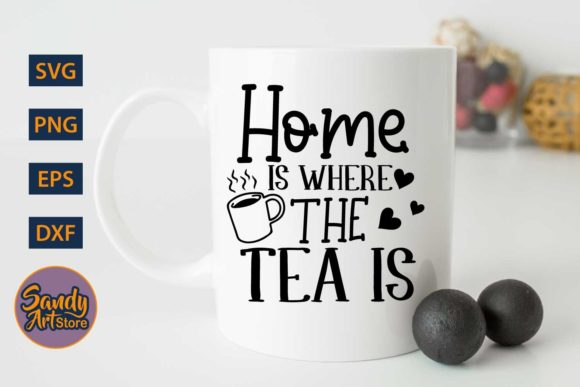
The mood of this design is immediately warm and inviting. It captures that specific hygge aesthetic that performs exceptionally well in the Crafts category. Visually, the layout balances text with thematic imagery, creating a centered composition that feels stable and professional. For embroidery designers, the spacing between elements is crucial. In this case, the design avoids the common pitfall of overcrowding, allowing each letter and graphical element to breathe. This openness is vital for maintaining stitch clarity, especially when working with standard cotton or linen fabrics where texture can interfere with fine details.
The visual personality leans towards rustic charm rather than modern minimalism. This makes it a versatile asset for various projects, from kitchen towels to boutique branding materials. However, because it is provided as a cut file set including SVG, PNG, EPS, and DXF formats, it is important to note that these are primarily vector and raster graphics. To use this as a true machine embroidery design, one must either convert these paths into stitches using digitizing software or ensure the provider includes a dedicated embroidery file format like PES or DST, which is not explicitly listed in the provided description. If you are working with raw graphics, expect to spend time adjusting stitch types, such as converting solid fills to satin stitch borders or managing density for larger hoop sizes.
Real-World Application: The Tote Bag Test
To evaluate practical utility, I mentally placed this design on a heavy canvas tote bag, a popular item for small shop products. The horizontal spread of the quote fits well within a standard 5x7 or 6x10 hoop. On a textured fabric like canvas, the boldness of the lettering helps maintain readability. I imagined stitching this out with a contrasting thread color, perhaps a deep sage green or terracotta against natural beige fabric. The result would be a high-value handmade product that appeals to tea enthusiasts and homebodies alike.
Beyond totes, this design shines on sweatshirt embroidery. The soft drape of fleece requires careful attention to stabilizer choice, but the simple, clean lines of the quote prevent the fabric from puckering excessively. For custom apparel, this quote serves as an excellent chest-left placement or a larger back print. It transforms a basic garment into a personalized gift that feels thoughtful rather than mass-produced. The emotional connection buyers have with tea culture means this design has high giftability, particularly for holiday embroidery projects or teacher appreciation gifts.
Considerations for Challenging Fabrics
While the design is robust, there are scenarios where caution is necessary. If you plan to use this on thin fabric, such as a lightweight tea towel or a silky pillow cover, the stitch density becomes a critical factor. Without proper digitizing, dense areas can cause the fabric to warp. I recommend testing the design on scrap fabric first to gauge how the thread interacts with the material. For stretchy fabrics like jersey t-shirts, a cut-away stabilizer is non-negotiable to prevent distortion after washing.
Curved surfaces present another challenge. Applying this quote to a cap or hat requires breaking the design into smaller sections or using a specialized curved hoop. The linear nature of the text might distort if forced over a highly curved brim. Similarly, for baby embroidery on onesies, ensure the scale is reduced appropriately so the text remains legible without becoming too dense for delicate skin. Always check whether the design works for both personal and commercial projects by confirming licensing terms before selling finished items.
Enhancing Product Value and Brand Consistency
For Etsy sellers and creative entrepreneurs, consistency is key to building trust. Using a cohesive set of design assets helps establish a recognizable brand voice. Home is Where the Tea is - Tea Quote fits seamlessly into a lineup of kitchen-themed or cozy-living products. When presented in printable mockups or digital product previews, the clean lines of the SVG and PNG files allow for high-quality marketing images. This professionalism translates to higher buyer engagement and perceived value.
The versatility of the included formats—SVG for cutting machines, PNG for sublimation or printing, and EPS/DXF for further vector editing—makes this a valuable addition to any designer’s library. Even if you are primarily an embroiderer, having the vector files allows you to create matching printed labels or packaging inserts, enhancing the overall unboxing experience for your customers. This holistic approach to product creation sets successful craft businesses apart from hobbyists.
Practical Designer Notes
Before committing to a full production run, keep these technical checks in mind:
- Test on Scrap Fabric: Always stitch out a sample on the same type of fabric you intend to use for the final product. This reveals issues with tension and density.
- Check Thread Color Contrast: View the design in black and white to ensure the shapes remain distinct without color cues. This helps in selecting thread colors that provide enough contrast for readability.
- Review Stitch Density: If converting from vector to embroidery, avoid overly dense fill stitches. Use running stitch for outlines and satin stitch for narrow elements to keep the design flexible and soft.
- Confirm Hoop Size: Measure the dimensions of the design against your machine’s maximum hoop size. Ensure there is enough margin for hooping without hitting the frame.
- Inspect Small Details: Zoom in on the vector files to check for stray nodes or open paths that could cause issues during conversion or cutting.
- Verify Licensing: Confirm whether the license allows for commercial use of finished physical products. This is crucial for Etsy sellers and boutique owners to avoid legal issues.
In conclusion, Home is Where the Tea is - Tea Quote is a strong contender for any designer looking to expand their cozy home decor offerings. Its strength lies in its universal appeal and adaptable layout. By paying attention to fabric choice, stabilizer support, and proper digitizing practices, you can transform this graphic into a high-quality embroidered patch, tote bag design, or custom apparel piece that resonates with customers. It is a practical, charming asset that, when handled with professional care, delivers both aesthetic pleasure and commercial viability.