Review: Tea is Always a Good Idea Embroidery Design
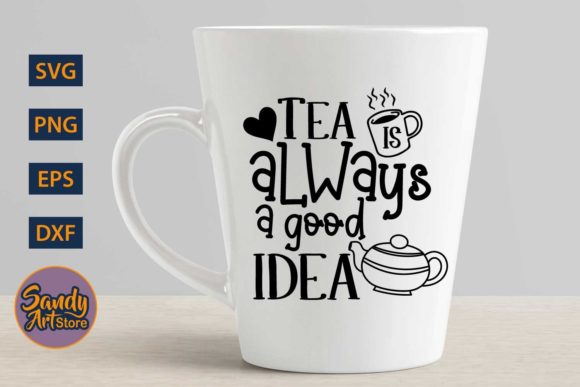
As a designer who has spent countless hours digitizing and stitching out quotes for clients, I have developed a sharp eye for what works in thread versus what only looks good on a screen. Typography-based designs are notoriously tricky. A font that reads beautifully in a vector program can become a tangled mess of underlay and jump stitches if the spacing isn’t perfect. Recently, I evaluated Tea is Always a Good Idea -Tea Quote to see if it holds up under the needle for real-world commercial use. This isn’t just about aesthetics; it’s about functionality, stitch clarity, and end-user satisfaction.
First Impressions and Visual Personality
The first thing that strikes you about Tea is Always a Good Idea -Tea Quote is its relaxed, inviting mood. It captures the cozy, comforting essence of tea culture without feeling overly ornate or cluttered. The layout feels balanced, with a visual personality that suggests warmth and hospitality. For embroidery designers, this is crucial. You want a design that communicates its message instantly, even from a distance. The theme fits naturally into the Crafts and Graphics categories, but its true potential lies in how it translates to physical products.
The design avoids excessive decorative flourishes that often cause stitching issues. Instead, it relies on clean lines and readable lettering. This simplicity is a strength. It means the design is versatile enough to work on various items without overpowering the base material. Whether you are creating a subtle accent on a napkin or a bold statement on a tote bag, the visual weight of the quote feels appropriate.
Real-World Application: The Tote Bag Test
To truly understand the value of an embroidery file, you have to imagine it on a finished product. I visualized using Tea is Always a Good Idea -Tea Quote on a heavy canvas tote bag. This is a staple item for many Etsy sellers and small shop owners. On canvas, the texture of the fabric interacts with the thread, adding depth to the letters. The quote’s length allows it to span nicely across the center of a standard tote, creating a balanced composition.
Beyond tote bags, this design shines on home goods. Imagine it stitched onto a linen tea towel or a cotton apron. These are practical, high-use items where durability matters. The design’s structure suggests it would hold up well to frequent washing, provided the correct stabilizer is used. It also makes for an excellent personalized gift. For a housewarming present or a holiday gift for a tea enthusiast, this quote adds a touch of thoughtful customization that mass-produced items lack.
Versatility Across Product Lines
The adaptability of this machine embroidery design extends to apparel as well. On a sweatshirt, the soft texture of fleece pairs beautifully with satin stitch or fill stitch techniques, depending on how the design is digitized. It creates a boutique feel that appeals to customers looking for unique custom apparel. For baby embroidery projects, such as a onesie or a burp cloth, the gentle sentiment fits perfectly, though size adjustment would be necessary to ensure readability on smaller garments.
For those running a craft business, having a versatile asset like this in your library is invaluable. It can be used for embroidered patches, which are currently trending, or as a focal point on pillow covers. The key is matching the design’s scale to the hoop size. A larger hoop allows for more detail, while a smaller hoop might require simplifying the surrounding elements if any exist.
Technical Considerations for Stitching
While the design looks promising, practical execution requires attention to detail. One must consider stitch density. If the letters are too dense, they can cause puckering, especially on thinner fabrics like cotton voile or lightweight t-shirts. Conversely, if the density is too low, the fabric might show through, reducing legibility. When working with Tea is Always a Good Idea -Tea Quote, I recommend testing on scrap fabric first. This allows you to adjust tension and check for any pulling or distortion.
Fabric texture plays a significant role in the final outcome. On textured fabrics like terry cloth or denim, the threads need to sit high enough to be visible. Using a cutaway stabilizer is often safer than tear-away for these materials to prevent distortion during wear and washing. For dark fabrics, thread color contrast is critical. A light cream or white thread will pop against navy or black, enhancing the design’s readability. Always test your thread colors in black and white mockups to ensure the contrast holds up before committing to the final stitch-out.
Navigating Challenging Surfaces
Curved surfaces, such as caps or hats, present unique challenges. The curvature can distort the text, making it appear arched or uneven. If you plan to use this design on headwear, ensure your hooping technique is precise. Using a cap frame and proper stabilizer is non-negotiable. Additionally, watch out for tiny lettering. If the design includes small details, verify that your machine can handle them without breaking threads. Dense stitch areas should be checked for potential needle breaks, especially if using metallic or specialty threads.
Commercial Viability and Brand Consistency
For Etsy sellers and digital product sellers, the commercial appeal of Tea is Always a Good Idea -Tea Quote is strong. It taps into a popular niche—tea lovers—which has a dedicated customer base. Using this design in your handmade product line can enhance brand consistency if your shop focuses on cozy, homey, or literary themes. It builds customer trust because the message is clear and the execution looks professional.
When selling finished items, the perceived value increases with quality stitching. A clean, well-digitized embroidery project signals professionalism. Buyers engage more with products that look polished and intentional. This design supports that goal by offering a clean aesthetic that doesn’t rely on gimmicks. It’s a timeless quote that won’t feel dated next season, making it a safe investment for your design assets.
Practical Designer Notes
Before launching this design into your production workflow, keep these practical tips in mind:
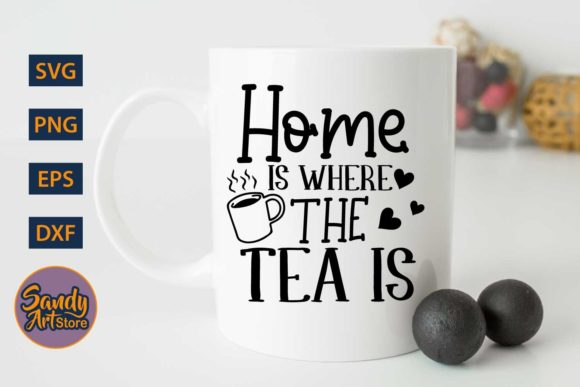
- Check File Formats: The product description mentions SVG, PNG, EPS, and DX formats. Ensure you have the correct embroidery file format for your specific machine. SVG and EPS are vector graphics, useful for cutting or printing, but may need conversion for direct embroidery unless your software handles it. DX is often used for cutting machines. Verify if actual embroidery formats like PES, DST, or JEF are included or if you need to digitize from the vector files.
- Test Stitch Density: Run a test stitch on similar fabric to your final product. Adjust density if the fabric puckers.
- Confirm Licensing: Always review the license terms. Determine if the design allows for commercial use of finished physical items or if it restricts digital resale. This is crucial for avoiding legal issues in your craft business.
- Mockup Validation: Use printable mockups to visualize the design on different products before stitching. This saves time and materials.
- Stabilizer Selection: Match your stabilizer to the fabric. Use cutaway for stretchy knits and tear-away for stable wovens.
In conclusion, Tea is Always a Good Idea -Tea Quote is a solid addition to any embroidery designer’s toolkit. It offers a blend of aesthetic charm and practical versatility. By paying attention to technical details like hoop size, stabilizer choice, and thread contrast, you can transform this digital graphic into a high-quality finished product that resonates with customers. Whether for a small shop product or a personalized gift, this design delivers both style and substance.